Fire Extinguisher Types, Inspection and Safety Guide

Notícias da indústria

Lar / Notícias / Notícias da indústria / How Do You Choose, Inspect, and Use a Fire Extinguisher
Volte

How Do You Choose, Inspect, and Use a Fire Extinguisher

Jul 10, 2026

Fire Safety Equipment Guide

How Do You Choose, Inspect, and Use a Fire Extinguisher Correctly?

A fire extinguisher is designed to control a small fire before it spreads beyond the point where portable equipment can be used safely. Correct selection depends on the burning material, electrical hazards, installation environment, extinguisher capacity, discharge performance, and local fire safety requirements.

Before Operating an Extinguisher

Confirm that the fire is small, the correct extinguisher is available, emergency services have been contacted, and a clear escape route remains behind the operator.

Do fire extinguishers expire?

Fire extinguishers do not all follow one universal expiration period. Service life depends on cylinder condition, extinguisher design, extinguishing agent, pressure retention, maintenance history, environmental exposure, and the replacement interval specified for the product.

How long do fire extinguishers last?

A properly maintained rechargeable unit may remain serviceable for many years, while a non-rechargeable model may require replacement at the end of its stated service period. Corrosion, leakage, damaged valves, blocked nozzles, or failed pressure tests can shorten usable life.

How to use a fire extinguisher?

Pull the safety pin, aim the nozzle at the base of the fire, squeeze the operating lever, and sweep from side to side. Stop immediately when heat, smoke, or fire growth makes the area unsafe.

01

What Are the Different Types of Fire Extinguishers?

Fire extinguisher classifications identify the types of burning materials that a unit is designed to control. Classification systems can vary by market, so the label printed on the cylinder should always be checked before installation or use.

Fire Class Typical Burning Material Common Extinguishing Agent Important Limitation
Class A Wood, paper, fabric, rubber, and selected plastics Water, foam, ABC dry chemical Water-based units must not be used on energized electrical equipment unless specifically approved
Class B Flammable liquids such as fuel, paint, solvents, and oils Foam, dry chemical, carbon dioxide A direct water stream may spread burning liquid
Class C Energized electrical equipment in classification systems where Class C identifies electrical fire risk Non-conductive dry chemical or carbon dioxide The remaining burning material must be reassessed after electrical power is disconnected
Class D Combustible metals such as magnesium, sodium, titanium, or metal powders Metal-specific dry powder The extinguishing agent must match the specific metal hazard
Class K High-temperature cooking oils and fats Wet chemical Water can cause violent splashing and fire spread

02

What Is a Class A Fire Extinguisher?

A class a fire extinguisher is intended for ordinary combustible materials that can continue to smolder after visible flames have been reduced. Typical risks include paper storage, wooden furniture, textiles, packaging materials, and selected solid plastics.

Cooling is especially important for Class A materials because heat may remain below the surface. Water extinguishers provide strong cooling performance, while multipurpose dry chemical models can cover Class A hazards together with selected liquid and electrical risks.

Selection point: A broad fire classification does not replace an application assessment. Room size, fuel loading, travel distance, mounting location, discharge duration, and the possibility of electrical equipment should also be considered.

03

What Is a Class C Fire Extinguisher?

A class c fire extinguisher is commonly associated with energized electrical equipment in North American fire classification systems. Suitable extinguishing agents are selected for low electrical conductivity and may include carbon dioxide or an approved dry chemical.

Electrical panels, motors, server equipment, power tools, control cabinets, and connected appliances may require this type of protection. Once power is isolated, the operator must identify whether the remaining fire involves solid combustibles, liquids, insulation materials, or another fuel source.

In some regional standards, Class C can identify flammable gas fires rather than energized electrical equipment. Product markings and local regulations must therefore be reviewed before specifying the extinguisher.

04

What Are the Components of a Fire Extinguisher?

Understanding the main components makes routine inspection easier and helps users identify visible damage before an emergency occurs.

Cylinder

The cylinder stores the extinguishing agent and, depending on the design, the propellant. Dents, deep corrosion, damaged threads, fire exposure, or structural deformation require professional evaluation.

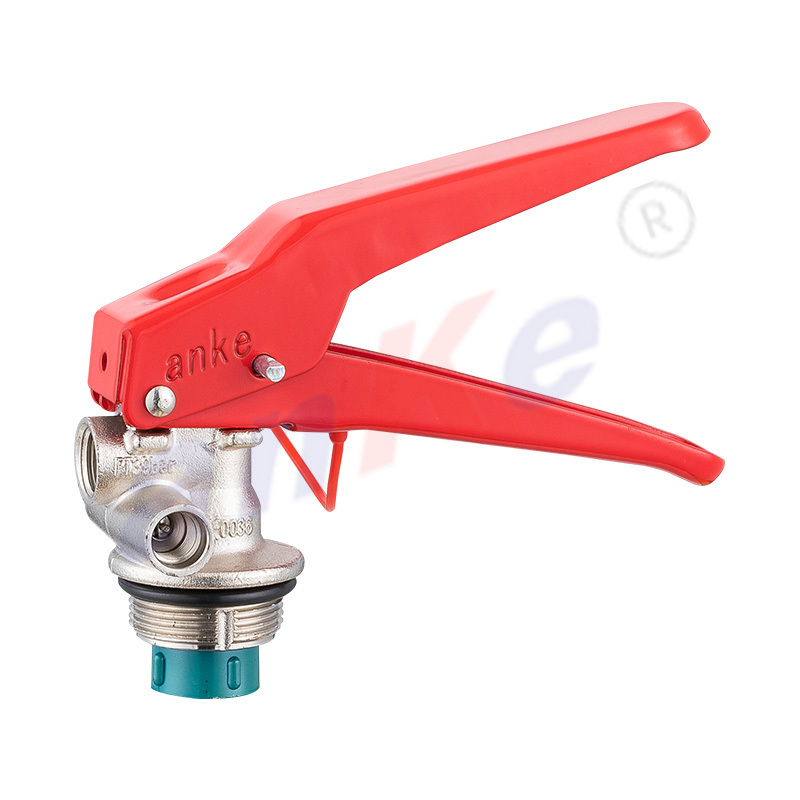
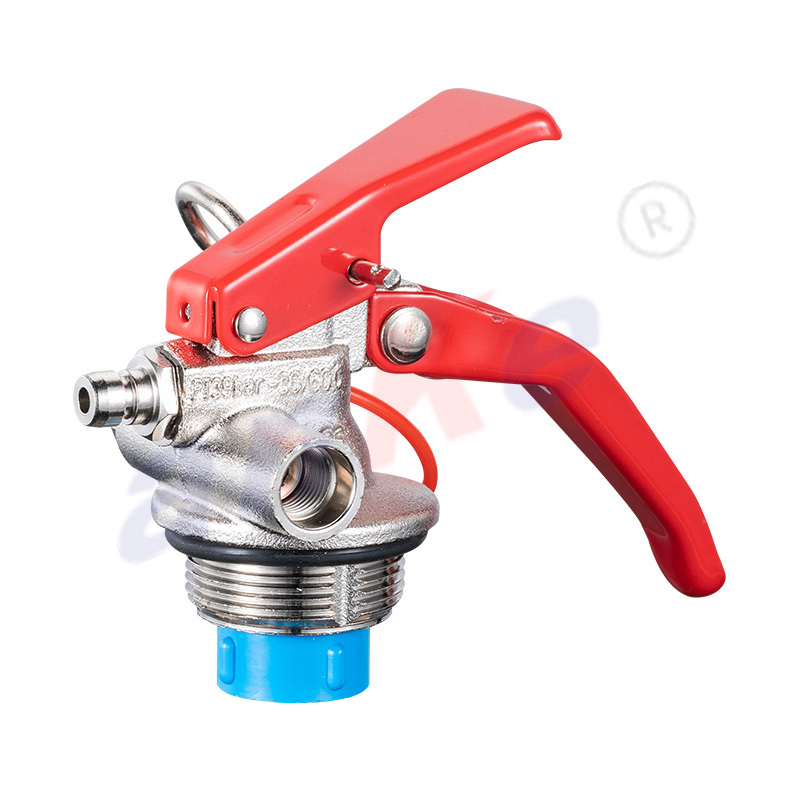
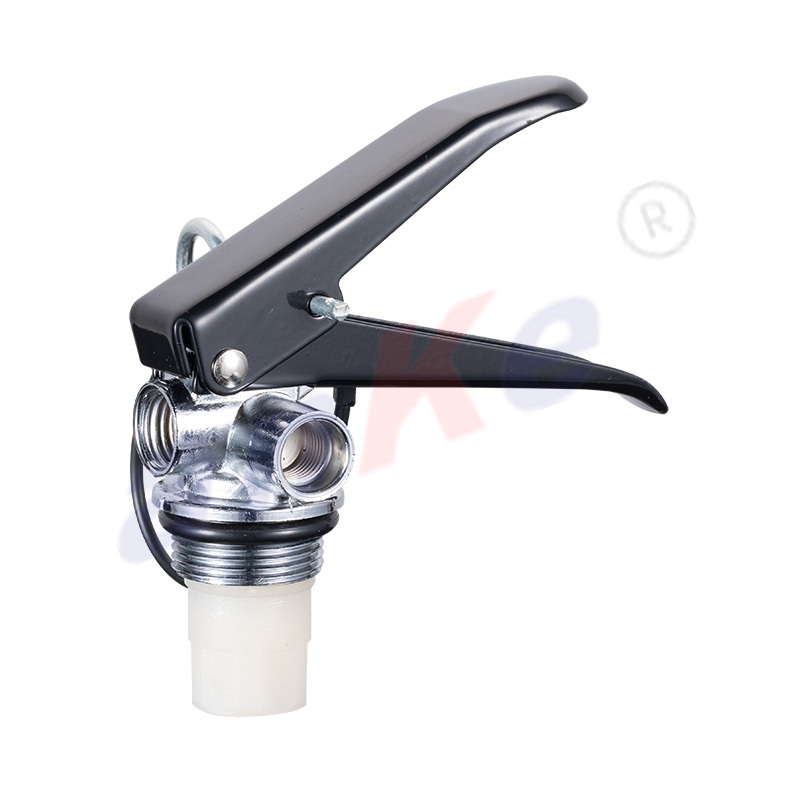
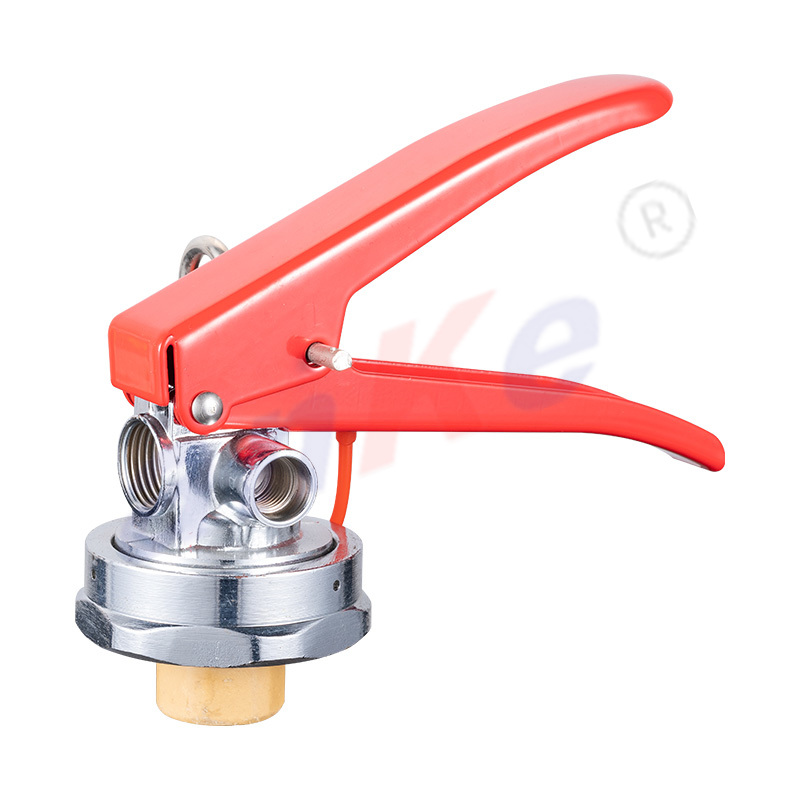
Valve and Operating Lever

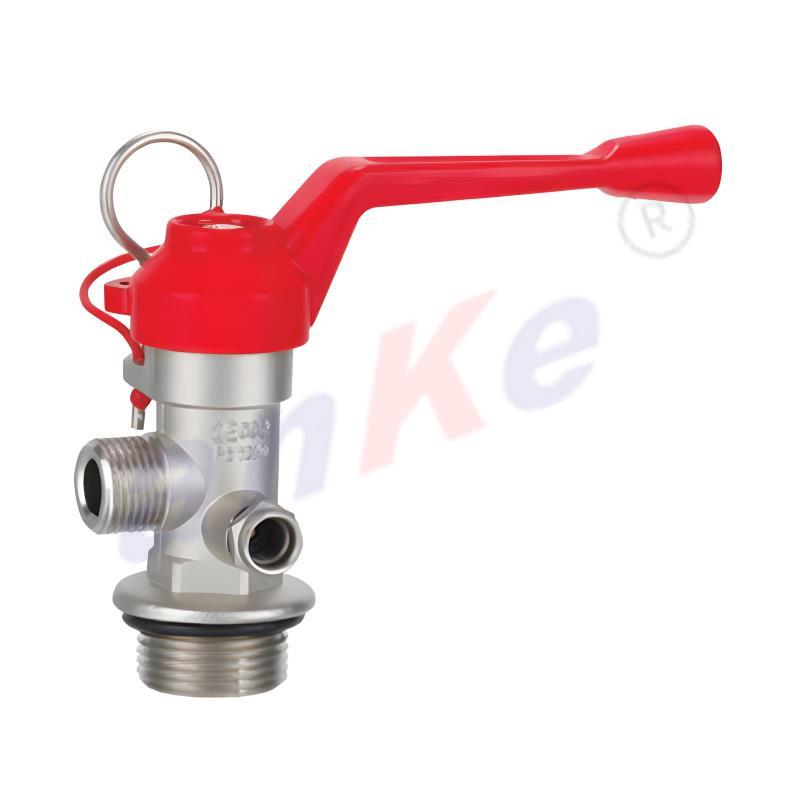
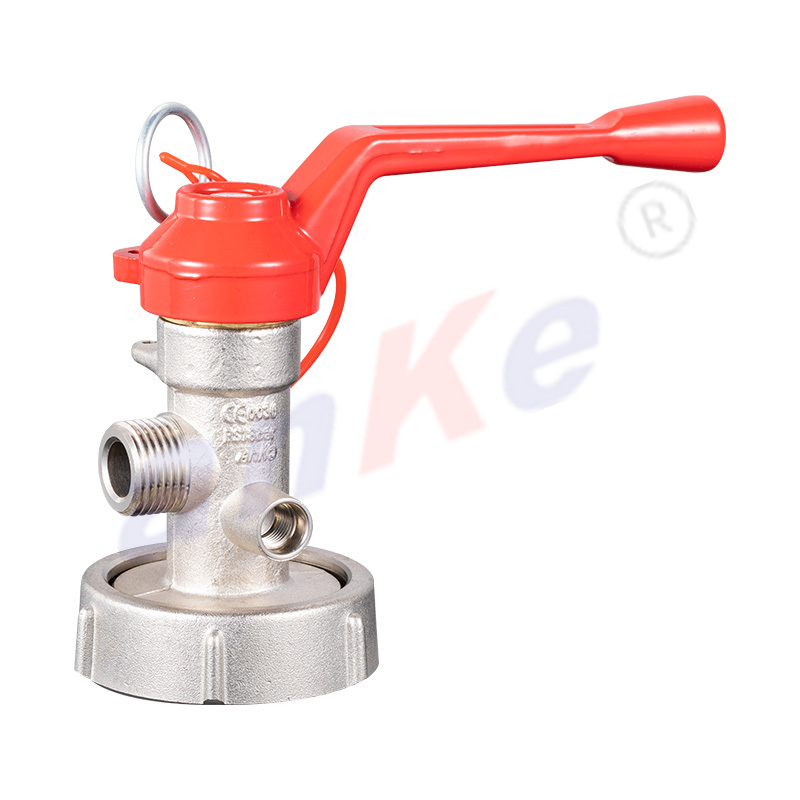
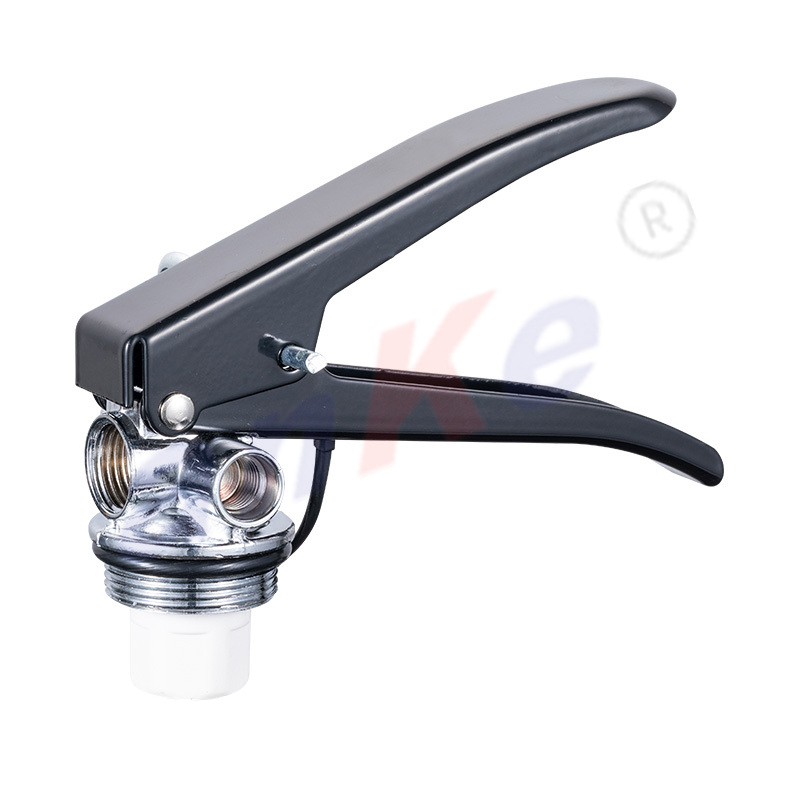
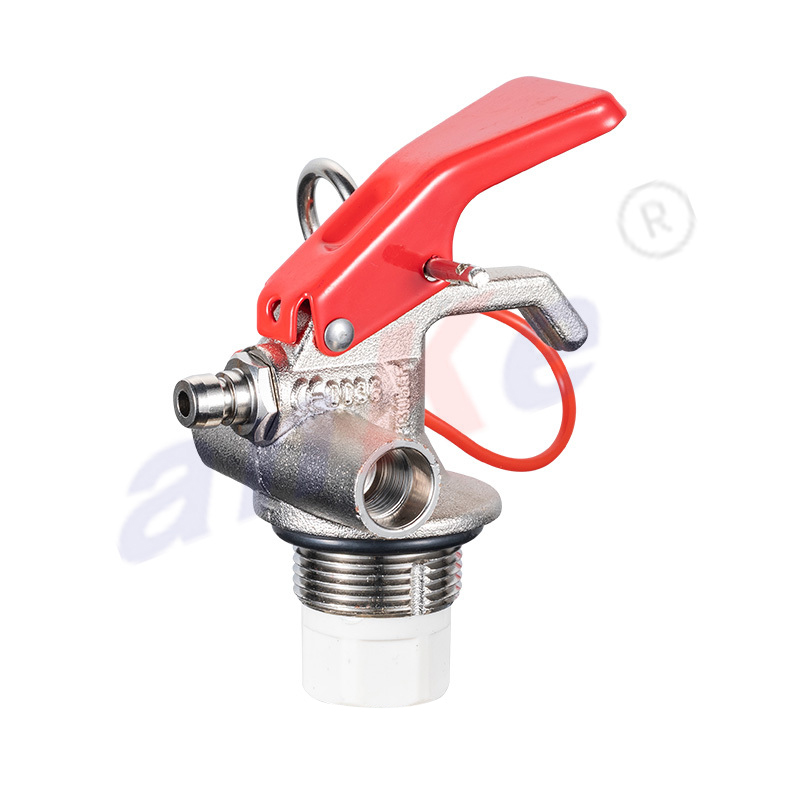
The valve controls agent release. The operating lever opens the valve when squeezed. Bent, loose, corroded, or obstructed components can affect discharge reliability.

Safety Pin and Tamper Seal

The safety pin prevents accidental operation. The tamper seal provides a visible indication that the pin may have been removed or the extinguisher may have been used.

Pressure Indicator

Many stored-pressure extinguishers include a gauge that indicates the operating pressure range. A normal gauge reading does not confirm that every internal component is serviceable.

Hose, Nozzle, or Discharge Horn

These parts direct the extinguishing agent toward the fire. Cracks, loose fittings, deformation, chemical buildup, or foreign material may restrict discharge.

Extinguishing Agent and Propellant

The agent controls fire through cooling, oxygen displacement, vapor suppression, surface sealing, or interruption of the combustion reaction. Agent condition must remain compatible with the intended hazard.

05

Fire Extinguisher Inspection Requirements

Fire extinguisher inspection should confirm that every unit remains visible, accessible, correctly identified, mechanically sound, and ready for operation.

Routine Visual Inspection

  • Confirm that the extinguisher remains in its assigned location.
  • Keep furniture, cartons, machinery, and stored materials away from the access path.
  • Check that the safety pin and tamper seal are present and undamaged.
  • Verify that the operating instructions and fire class markings remain readable.
  • Check the pressure gauge when the extinguisher design includes one.
  • Inspect the hose, nozzle, horn, handle, lever, and mounting bracket.

Conditions Requiring Service

  • Pressure indicator outside the approved operating range.
  • Loss of weight, visible leakage, or evidence of previous discharge.
  • Corrosion, dents, cracked hoses, damaged valves, or missing labels.
  • Blocked nozzle, hardened dry chemical, or suspected moisture entry.
  • Exposure to fire, impact, chemicals, salt spray, or severe vibration.
  • Missing maintenance records or an overdue pressure test.

Any extinguisher that has been partially or fully discharged should be removed from service and professionally recharged or replaced. Returning a used unit to its mounting position without inspection can leave the protected area without reliable fire control equipment.

06

How to Use a Fire Extinguisher

The commonly taught PASS method provides a simple operating sequence. Users should receive practical training before an emergency and should never remain in an area where smoke, heat, or fire growth threatens a safe exit.

P

Pull

Pull the safety pin to unlock the operating mechanism.

A

Aim

Aim at the base of the flames or the burning material rather than the upper flame area.

S

Squeeze

Squeeze the operating lever in a controlled manner to release the extinguishing agent.

S

Sweep

Sweep the nozzle from side to side while maintaining coverage across the burning area.

Maintain an exit route

Position yourself so that the door, corridor, or other escape path remains behind you.

Use the correct distance

Begin at the operating distance stated on the extinguisher label and move closer only when conditions remain safe.

Watch for reignition

Continue observing the area after visible flames are extinguished because hot material may ignite again.

07

Do Fire Extinguishers Expire?

The practical answer to “do fire extinguishers expire” depends on the product category. Disposable units may carry a defined replacement period, while rechargeable extinguishers may remain in service when inspection, maintenance, recharging, and pressure testing requirements are satisfied.

Age alone is not the only consideration. A newer extinguisher can become unserviceable after corrosion, impact, leakage, accidental discharge, or exposure to unsuitable temperatures. An older rechargeable model may remain usable when its pressure vessel and operating parts continue to pass the required inspections.

08

How Long Do Fire Extinguishers Last?

When evaluating how long do fire extinguishers last, review the manufacturing date, cylinder material, agent type, service records, test dates, storage environment, and manufacturer instructions. No single service-life figure is suitable for every extinguisher.

Dry indoor installation Reduces exposure to moisture and atmospheric corrosion.
Outdoor or coastal installation May require protective cabinets and more frequent condition checks.
Vehicle or machinery installation Requires attention to vibration, mounting security, temperature, and hose condition.
Chemical processing environment Requires materials and coatings suitable for corrosive vapor or splash exposure.

09

What Are the Safety Precautions When Using a Fire Extinguisher?

Portable extinguishers are intended for early-stage fire control. They should not be used as a reason to delay evacuation when conditions are already dangerous.

Identify the Fire Class

Confirm the burning material before discharge. Using water on energized electrical equipment, burning fuel, hot cooking oil, or reactive metals can create additional hazards.

Assess Fire Size and Smoke

Do not approach when flames are spreading rapidly, smoke blocks visibility, heat prevents safe access, or the fire has extended into walls, ceilings, machinery, or stored materials.

Protect the Escape Route

Never allow the fire to move between the operator and the exit. Withdraw immediately when the route becomes obstructed or visibility deteriorates.

Consider Agent Hazards

Carbon dioxide can reduce oxygen in confined spaces and may cool the discharge horn to a dangerously low temperature. Dry chemical can reduce visibility and leave residue on equipment.

Stop When Control Is Lost

Leave the area if one extinguisher does not reduce the fire, the agent is nearly depleted, the fire reignites strongly, or the operator feels unsafe.

Arrange Post-Use Service

After discharge, isolate the extinguisher for professional inspection, cleaning, recharging, testing, or replacement. The fire area should also be checked for hidden heat and secondary damage.

10

Product Configuration for Different Fire Protection Environments

Fire extinguisher performance depends on more than the extinguishing agent. Cylinder size, valve design, discharge assembly, coating, mounting method, labeling, and packaging should be matched to the intended installation environment.

Extinguishing Agent Options

Product ranges may include ABC dry chemical, BC dry chemical, carbon dioxide, foam, water, wet chemical, and specialized powder configurations for different fire classes.

Cylinder Capacity

Compact units are suitable for selected vehicles, small rooms, and equipment areas, while larger capacities provide longer discharge duration for wider or higher-risk spaces.

Valve and Hose Configuration

Valve material, hose length, nozzle design, discharge horn, handle structure, and pressure gauge format can be selected according to extinguisher type and operating conditions.

Surface Protection

Durable coating and controlled surface preparation help protect the cylinder during storage, transport, installation, and routine cleaning.

Mounting and Storage

Wall brackets, vehicle brackets, cabinets, and protective covers help keep the extinguisher visible, stable, and accessible while reducing environmental damage.

Label and Packaging Details

Clear operating instructions, classification markings, inspection information, carton protection, and product identification improve installation accuracy and ongoing management.

Product Selection Information

Details to Confirm Before Choosing a Fire Extinguisher

Required fire class and extinguishing agent

Nominal capacity and fire rating

Rechargeable or disposable construction

Operating temperature range

Cylinder and valve material

Discharge time and operating distance

Bracket, cabinet, or vehicle mounting requirement

Applicable testing and certification requirements

11

Fire Extinguisher Questions

These direct answers help users identify the most important operational and maintenance requirements before selecting or using portable fire protection equipment.

Can one fire extinguisher cover every type of fire?

No. Multipurpose extinguishers can cover several common classes, but cooking oil, combustible metal, and certain industrial hazards require specialized extinguishing agents.

Can a fire extinguisher be reused after a short discharge?

It should not be returned directly to service. Even a brief discharge can reduce pressure, disturb the seal, or leave insufficient agent for another emergency.

Does a green pressure gauge mean the extinguisher is safe?

A normal pressure indication is only one inspection item. The cylinder, hose, nozzle, valve, seal, mounting condition, agent status, and maintenance record must also be checked.

Where should a fire extinguisher be installed?

It should be visible, accessible, securely mounted, protected from environmental damage, and positioned so users can reach it without moving toward the fire or losing access to an exit.

Should users fight a fire before calling emergency services?

Emergency notification and evacuation should not be delayed. A portable extinguisher should only be used when the fire is small, the operator is trained, the correct extinguisher is available, and escape remains possible.